
- December 24, 2025
- Posted by: SearchWizard
- Categories: Resources, SEO Insights
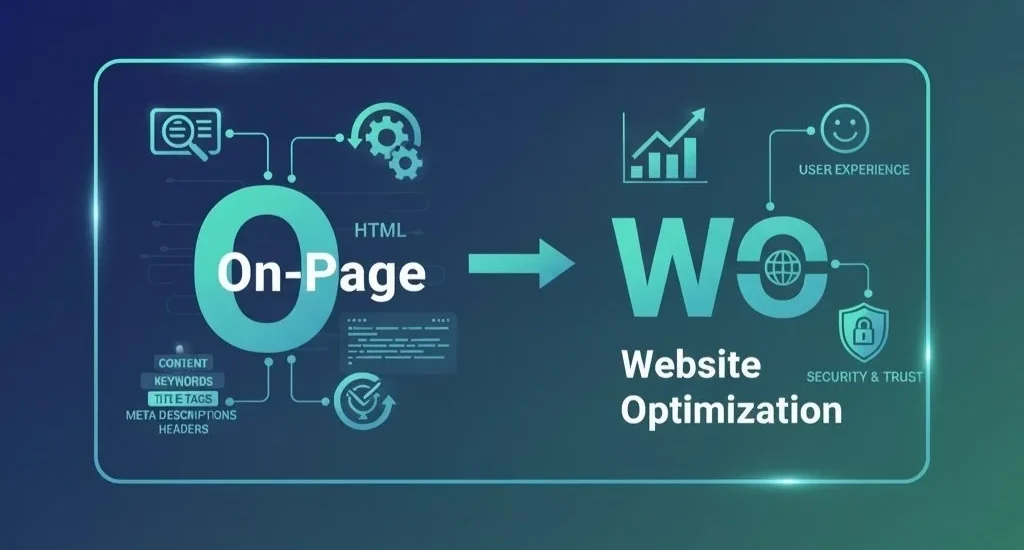
Understanding On-Page SEO: The Foundation of Website Optimization
On-page SEO plays a critical role in how search engines understand, evaluate, and rank a website. While many businesses focus on traffic acquisition tactics, on-page optimization ensures that a website is technically sound, content-relevant, and structured in a way that supports long-term search performance.
This article explains what on-page SEO truly means, how it impacts website optimization, and why it serves as the foundation of effective search engine visibility.
Understanding On-Page SEO
On-page SEO refers to all optimization efforts made directly within a website to improve search engine rankings and user experience. These efforts focus on aligning content, technical structure, and usability with search intent.
Unlike off-page SEO, which relies on external signals such as backlinks, on-page SEO ensures that a website itself communicates clarity and relevance. Search engines rely on these internal signals to determine whether a page deserves to rank for specific queries.
A well-optimized website allows search engines to crawl, index, and interpret content efficiently—reducing ambiguity and improving ranking potential.
Core Elements of On-Page SEO
On-page SEO is not a single task. It consists of multiple components working together to support website optimization.
Content Relevance and Structure
Search engines evaluate whether content matches user intent. This includes:
- Clear topic focus
- Proper use of headings
- Logical content hierarchy
- Strategic keyword placement
Well-structured content helps search engines understand page purpose while improving readability for users.
Metadata Optimization
Title tags and meta descriptions provide essential context about a page. Properly optimized metadata:
- Improves click-through rates
- Signals keyword relevance
- Helps search engines differentiate pages
Metadata should be unique, descriptive, and aligned with the page’s primary intent.
Internal Linking
Internal links connect related content and distribute authority across a website. Effective internal linking:
- Improves crawlability
- Strengthens topical relevance
- Guides users through related content
This structure helps search engines identify priority pages and understand content relationships.
Technical Page Optimization
Technical on-page SEO focuses on:
- Page speed
- Mobile responsiveness
- Clean URL structures
- Schema markup
These factors influence both search performance and user experience.
How On-Page SEO Impacts Website Performance
On-page SEO directly affects how well a website performs in organic search. When pages are optimized correctly, they are easier to index, more relevant to queries, and more engaging to users.
Search engines prioritize websites that:
- Load quickly
- Are mobile-friendly
- Offer clear navigation
- Deliver relevant content
Poor on-page optimization often results in indexing issues, ranking stagnation, and missed visibility opportunities—even when content quality is high.
Common On-Page SEO Mistakes
Many websites struggle with performance due to avoidable on-page issues, including:
- Duplicate or missing metadata
- Weak internal linking structures
- Thin or unfocused content
- Over-optimization or keyword stuffing
- Technical errors that block crawling
Addressing these issues requires a structured approach rather than isolated fixes.
Why On-Page SEO Requires a Strategic Approach
On-page SEO is most effective when implemented as part of a broader optimization framework. Isolated changes rarely produce consistent results. Instead, successful optimization focuses on aligning all on-page elements with business goals and search intent.
This approach ensures that content, structure, and technical performance work together rather than competing for relevance.
Smart On-Page approaches on-page SEO as a system—where each optimization supports measurable performance improvements rather than short-term gains.
How On-Page SEO Fits Into a Complete Optimization Strategy
On-page SEO serves as the foundation for all other search optimization efforts. Without a properly optimized website:
- Content marketing underperforms
- Technical improvements lose effectiveness
- Conversion paths become unclear
By strengthening on-page fundamentals first, websites create a stable platform for growth.
To understand how these elements work together in a structured framework, explore how Smart On-Page ensures websites are fully optimized for search.
Complete Website Optimization Process by Smart On-Page SEO
When to Work With an SEO Consultant
While basic on-page changes can be made independently, advanced optimization often requires professional expertise. An SEO consultant evaluates:
- Website structure and crawlability
- Content relevance and gaps
- Technical constraints
- Optimization priorities
Working with an independent SEO consultant ensures that optimization efforts are strategic, measurable, and aligned with long-term performance goals.
Learn more about Smart On-Page’s on-page SEO services and consulting approach.
On-Page SEO Services and Independent SEO Consulting by Smart On-Page SEO
On-page SEO is not a checklist—it is a strategic process that strengthens a website’s foundation and improves search visibility over time. When implemented correctly, it supports sustainable rankings, better user engagement, and measurable growth.
By understanding and applying on-page SEO principles holistically, websites can create a strong platform for long-term organic success.
Reach out to Smart On-Page SEO at the office nearest you, or submit a business inquiry online. Our team is ready to discuss your content strategy, copywriting needs, and SEO goals.
Let’s discuss your business objectives and map out an SEO strategy that drives real results.